
Environmental Conservation Volunteer
Cultivate sustainable agriculture, restore lost habitats, and empower local communities
Protect Nature’s Wonders: Environmental Conservation Volunteer Opportunities in Nepal
Quick Highlights:
- Seven specialized environment-focused tracks, from Permaculture Volunteering to Wildlife Conservation Volunteering
- Grassroots approach: living among local families, daily hands-on activities
- Perfect for environment enthusiasts, students, professionals, or families seeking meaningful adventures
Introduction
Imagine trekking into the verdant hills of Nepal, planting trees alongside local farmers, or guiding a Community Gardening Volunteer workshop to revitalize degraded soils. Now, picture introducing new Sustainable Living Volunteer Opportunities methods or launching an Organic Farming Internship that teaches eco-friendly cultivation to rural villagers. You combine purposeful travel with direct ecological action through these immersive Environmental Conservation Volunteer Opportunities. Each day, you’ll help preserve biodiversity, champion climate-smart farming, and equip communities to thrive sustainably.
Urgency
The Urgency of Environmental Conservation
1. Why Environmental Conservation Volunteer Opportunities Matter
Deforestation, habitat loss, and climate change jeopardize delicate ecosystems worldwide. The UN’s FAO warns that deforestation accounts for nearly 10% of global greenhouse gas emissions, with regions like Nepal—renowned for its Himalayas and biodiversity—bearing acute impacts. Rural communities reliant on traditional farming or foraged goods face new challenges. Environmental Conservation Volunteer Opportunities respond to these threats by aligning international volunteers with local efforts in reforestation, Sustainable Development Volunteering, and more.
Nepal stands at an ecological crossroads. While mountain landscapes hold unique flora and fauna, human encroachment, unsustainable practices, and climate shifts can degrade them quickly. By engaging in a Volunteer Organic Farming Program or Reforestation Volunteer Program, you help combat these problems. Each volunteer project fosters synergy among local farmers, NGOs, and eco-minded travelers, weaving sustainable solutions into daily life.
2. Our Unique, Community-Led Approach
Unlike short stints focusing on a single plantation drive, we embed volunteers in longer-term solutions. A Sustainable Agriculture Volunteer might assist entire villages with permaculture strategies, integrating forest edges with farmland to reduce soil erosion. Meanwhile, a Conservation Volunteer Abroad post might involve local ranger training or Habitat Restoration Volunteer tasks in endangered regions. This synergy cements deeper social and environmental roots, ensuring communities remain resilient even after volunteers depart.
Explore Our Environmental Conservation Volunteer Opportunities
Our environmental portfolio focuses on bridging local knowledge with volunteer enthusiasm. Whether you prefer teaching eco-friendly farming or safeguarding threatened wildlife habitats, we offer an opportunity that resonates.
- All Posts
- Environmental Conservation
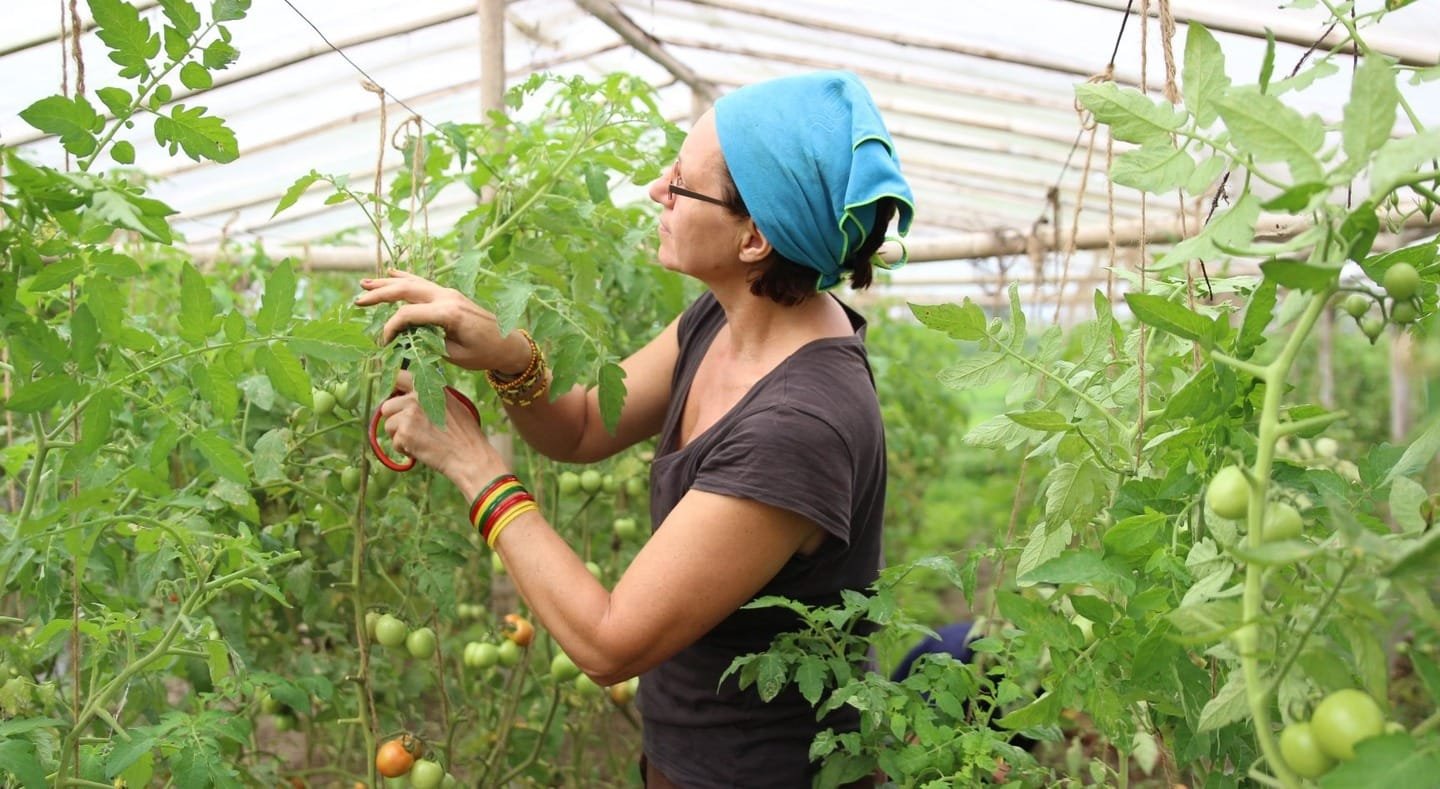
Volunteer Organic Farming – Empowering Sustainable Agriculture in Nepal Are you passionate about volunteer organic farming and eager to explore...

Join Our Organic Farming Volunteer Abroad Program and Support Sustainable Food Production for a Healthier Planet Overview Project Name: Nepal...
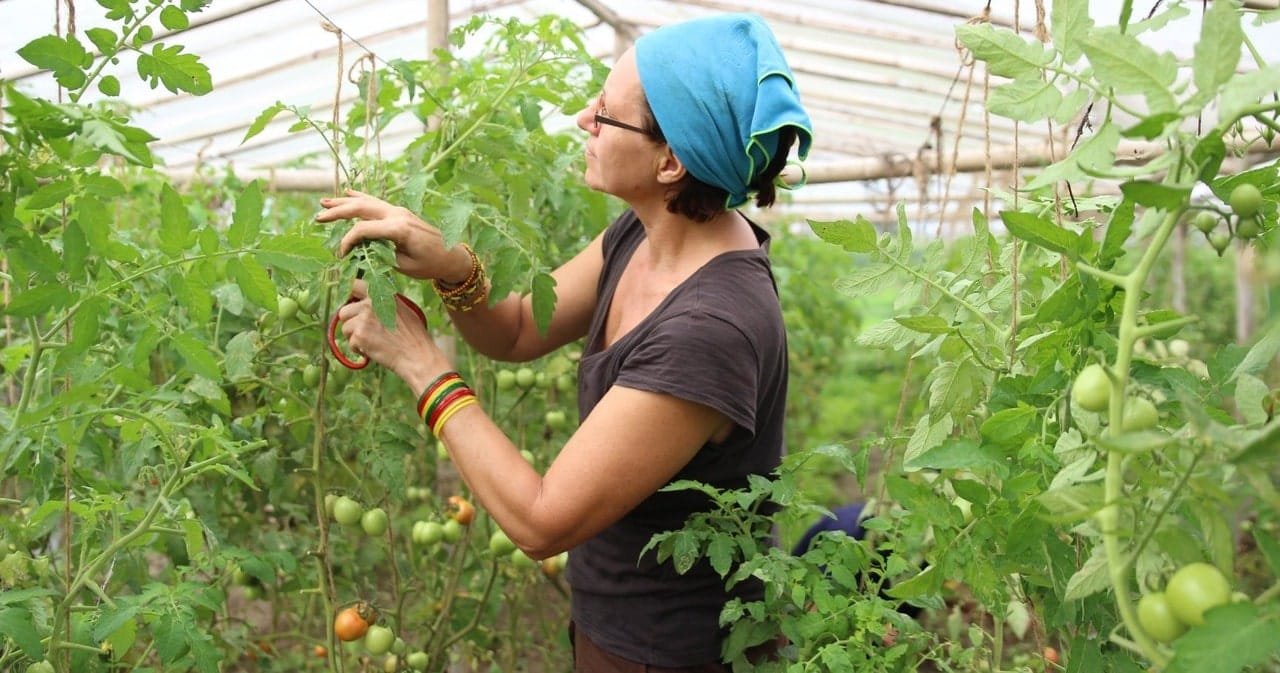
Permaculture Volunteering – Embrace Sustainable Agriculture and Regenerative Practices in Nepal Are you eager to explore permaculture volunteering in a...
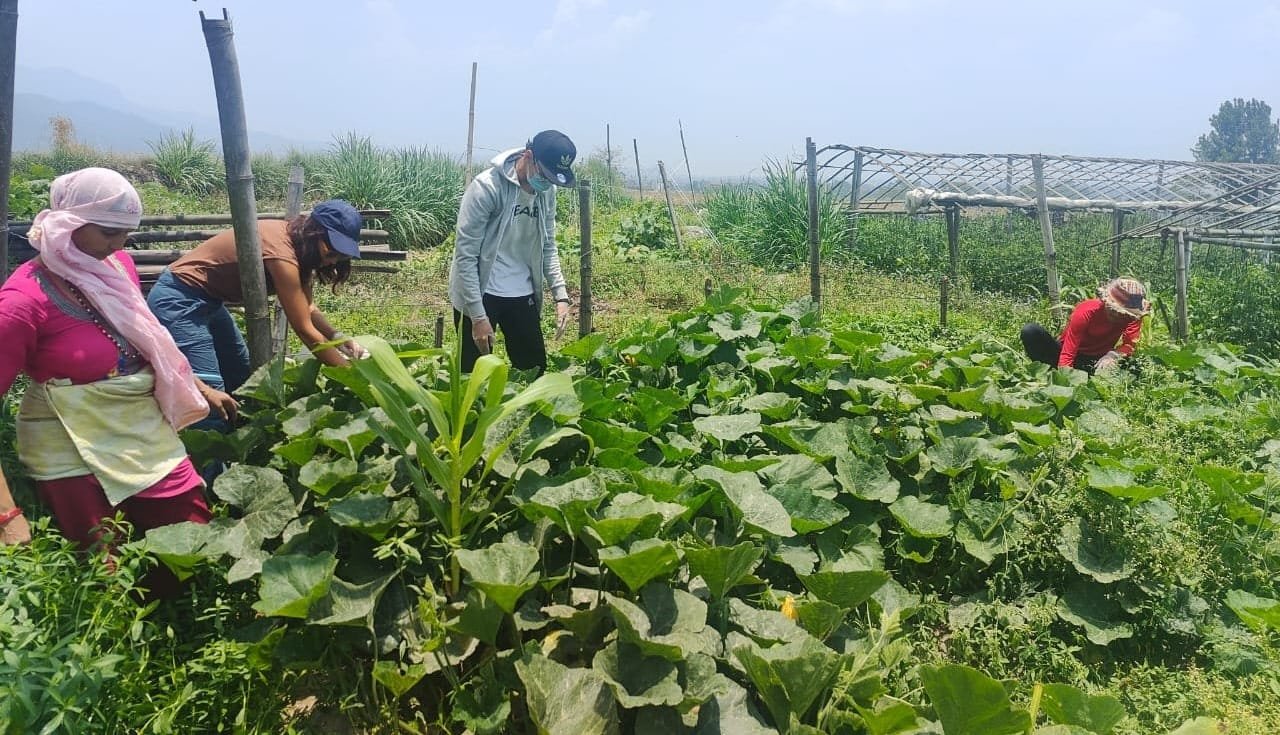
Environmental Conservation Volunteer Nepal – Championing Eco-Friendly Initiatives in the Himalayas Are you passionate about protecting the planet and eager...

Project Overview Project Environment Education and Conservation Program Start Dates: 1st and 15th of each month Language Requirements: English (Basic...
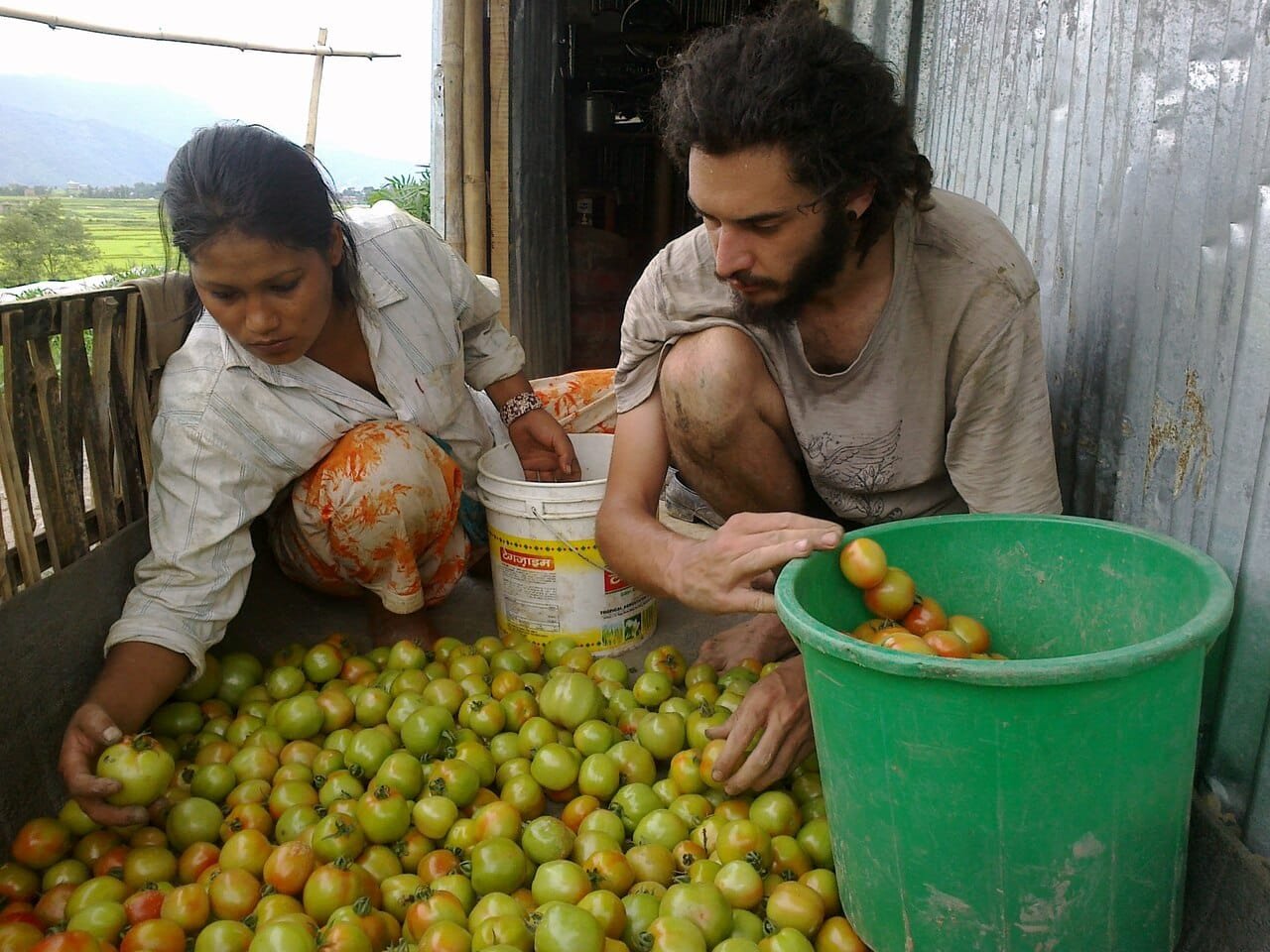
Empowering Communities Through Sustainable Agriculture, Environmental Conservation, and Innovative Agroforestry Practices Overview Project Name: Nepal Agroforestry Empowerment InitiativeTagline: Nurturing Nature,...
Benefits
Benefits & Impact
1. For Volunteers
- Hands-On Ecological Skills: Learn everything from composting to reforestation in actual conditions. Perfect if you’re pursuing environmental studies or want to broaden your skill set.
- Cultural Immersion: Connect intimately with farmers, park rangers, or activists, gleaning Nepali cultural insights beyond tourist trails.
- Personal Fulfillment: Enjoy seeing direct outcomes—like a flourishing orchard or a newly thriving pollinator corridor—and realize your travel has a genuine purpose.
2. For Communities
- Healthier Soils & Forests: With improved methods, yields rise, forests regenerate, and ecosystems re-stabilize.
- Economic & Social Gains: Sustainable methods can unlock new revenue streams—like eco-tourism or organic produce sales—and reduce environmental harm.
- Amplified Stewardship: Local stakeholders, from youth to elders, gain knowledge of ongoing land and wildlife protection, ensuring the project’s sustainability.
How It Works
How Works: Application to On-Ground Action
1. Select & Apply
Browse our offerings: maybe you’re drawn to Eco Volunteer Programs for general exposure or want the specialized tasks of a Permaculture Volunteering placement. Submit an application detailing your interests.
2. Pre-Departure & Orientation
After acceptance, you will receive orientation materials explaining community protocols and local environmental priorities and recommended reading on topics like permaculture or “Eco-Friendly Farming Volunteer” best practices.
3. Arrival & Training
Land in Nepal, meet staff or local NGO partners, and settle into housing—often a volunteer house or farm-based homestay. Training covers local biodiversity, daily tasks, and cultural norms that guide interactions with farmers or park rangers.
4. Ongoing Involvement
Engage in daily tasks—like reforestation drives, maintaining compost pits, or training youth on climate-resilient practices. Field coordinators monitor progress to ensure synergy with community needs.
5. Final Week & Sustainability
Wrap up by evaluating how many saplings you planted or how many families adopted composting. Volunteers often leave behind manuals or best-practice documents, ensuring Environmental Volunteer Projects continue thriving.
Stories
Real Voices & Success Stories
1 Volunteer Testimonials
Kara (Canada) – Nursing Internship Abroad
“Assisting a rural birthing center was eye-opening. We overcame supply shortages, introduced labor comfort measures, and trained local aides. Seeing maternal outcomes improve was incredibly fulfilling.”
David (USA) – Public Health Volunteer Opportunities
“Designing a basic vaccination drive in a remote district was challenging and rewarding. We overcame rugged terrain and cultural hesitation. Now, vaccination rates have jumped by 40%.”
2 Local Community Perspective
Dr. Adhikari (District Health Office):
“Volunteers amplify our capacity. The collaborative impact is immense, whether it’s a short-term** Medical Missions Volunteer Opportunities** approach or an extended** Community Health Volunteer** assignment.”
3 Project Outcomes
- A pilot Public Health volunteer opportunities Programs model lowered infant mortality by 25% in 12 months in a high-altitude village.
- Global Health Volunteer Programs in earthquake-affected zones provided 5,000+ free health checkups, plus crucial trauma counseling for children.
FAQs
Frequently Asked Questions (FAQs)
Below are the top queries about Environment Conservation Volunteer Programs and Wildlife Habitat Restoration initiatives in Nepal:
Do I need specific qualifications to join?
While many roles are ideal for students of environmental science, forestry, or botany, we welcome general volunteers for essential tasks like reforestation, nursery maintenance, and trail restoration. Specialized roles in biodiversity surveying or GIS mapping may require relevant academic backgrounds.
Is it safe to volunteer in remote ecological zones?
Yes. Fieldwork is coordinated with experienced local rangers and conservation mentors. We provide safe eco-lodges or homestays, clear backcountry safety protocols, and constant monitoring of local weather and terrain conditions to ensure a secure experience.
What about language barriers in rural communities?
While English is commonly used for technical coordination, conservation is a community-led effort. Local field staff and bilingual coordinators facilitate communication during community-based forestry workshops and stakeholder meetings.
Can I receive academic credit or an Environmental Internship placement?
Absolutely. Many participants enroll to fulfill requirements for Environmental Studies Electives or Conservation Biology Internships, gaining hands-on experience in one of the world’s most diverse bioclimatic zones.
How long is the ideal volunteer duration?
A minimum of 2–4 weeks is recommended to understand local ecosystems. However, stays of 8–12 weeks allow for more robust data collection, seasonal planting cycles, and deeper integration into long-term landscape restoration projects.
Do I pay a program fee, or is it free?
Most Eco-Volunteer Placements require a program fee that covers sustainable lodging, field orientation, and local logistics. Personal expenses, such as international flights and travel insurance, are the responsibility of the volunteer.
Are there opportunities for post-volunteer remote assistance?
Yes. You can continue to support our mission from home by analyzing camera trap footage, co-authoring conservation reports, or managing digital awareness campaigns for Himalayan biodiversity.
Contact
Contact Us for More Information
Lead Communities to Safety—Join Our Disaster Risk Management Volunteer Opportunities in Nepal.
By volunteering as a Disaster Risk Management Volunteer or guiding a Disaster Preparedness Volunteer Program, you provide hope and readiness to communities at risk. Your skill set—be it project management, medical training, or leadership—can drastically reduce harm when calamities strike. Each day you volunteer, you not only improve immediate resilience but also mold communities to better protect future generations.
Conclusion
Choose to Be the Guardian of Nepal’s Natural Heritage.
You champion a resilient and biodiverse future by choosing an Environmental Conservation Volunteer Opportunities path—reforesting slopes, hosting Community Gardening Volunteer workshops, or harnessing permaculture tactics. This invites you to combine your passion for nature with direct action in the scenic Himalayan context. Are you ready to re-green landscapes, restore wildlife habitats, and share sustainable living knowledge that shapes generational stewardship?
Apply now or Request Info. Each seed, sapling, or ecological workshop you support can transform families and ecosystems across Nepal’s heart.
Gallery


Our Projects
Google Reviews
Posted onTrustindex verifies that the original source of the review is Google. Truly wonderful experience. Completely new environment, warm people and learned a lot. Thank you for everythingPosted onTrustindex verifies that the original source of the review is Google. I would highly recommend volunteering with VIN. It’s an incredible opportunity to gain real-world experience, contribute meaningfully to the community, and grow both personally and professionally.Posted onTrustindex verifies that the original source of the review is Google. I have always wanted to travel to Nepal, but I didn't want to just be a tourist, I wanted to give back to local communities, learn from them and to have a truly in-country experience. So I decided to volunteer at VIN in the womens empowerment program and facilitate stress management and emotional resilience, because this was most aligned with my work, skills and passions in psychotherapy and empathy culture back in Australia. Memorable moments that will stay with me include hearing the women sharing about their feelings, needs and learning the joy and value of listening better to eachother, standing in circle passing around a wombat, whilst the women listened to eachother, as well as when we passed around a handclap in our circle, sharing that this symbolises how we pass love around in the community and it letting it come back to us and seeing the women laughing and smile at this and get it. I can honestly say that everyone in the VIN team was super supportive, accessible and available to answer all my questions whether online before arriving in Nepal, in person or on whatsapp during my stay. I felt like I'd been welcomed into a supportive community of big hearted people. The biggest thing I learned was how to make my work more practical, accessible, fun and engaging for rural women in a language I do not speak and to be inclusive with women who can or cannot read in Nepali. I would definitely recommend volunteering with VIN, they are super adaptable to your skills and passion and work broadly with women, youth, children, conservation, animals, medical, education, environment and disaster resilience. You may be suprised how your skills and passions might be useful for the Nepali community members either in Kathmandu or rurally. If you are going rural I recommend volunteering for at least 3 weeks as the induction, travel and breaks take about 1week off your volunteering time. So be sure to make sufficient time to enjoy the cultural exchange.Posted onTrustindex verifies that the original source of the review is Google. I taught disaster risk reduction in schools in Okhaldhunga, which gave me the chance to visit such a beautiful region and meet wonderful members of the community. You will do a lot of hill walking so I would recommend a good level of fitness! But it's all worth it to spend time in this rural region. The community learning centre is a lovely place to stay; living with the staff and your fellow volunteers is a great experience.Posted onTrustindex verifies that the original source of the review is Google. I was very interested to experience Nepal’s eastern region, but in the capacity a volunteer rather than a tourist, having travelled around Nepal mainly to the west over 7 previous trips. The opportunity arose to experience volunteering through VIN in Okhaldunga, a beautiful mountainous wooded area in the southern part of the Everest region, an authentic area, untouched by tourism. From initial UK-based overtures to VIN, through arrival, induction, placement in the lovely Nishenke NaraTika Community Learning Centre (CLC) in the Okhaldunga region, and the actual volunteering sessions, I was met with enthusiastic support and interest from VIN’s lovely professional staff. The experience was so rewarding: the locals and their motivation in turning up for yoga practice before starting a long day in the fields; the somewhat unruly schoolchildren changing from unruly kids to becoming engaged, motivated and very competent in just a few weeks. Without doubt, the support and engagement provided by the CLC staff with translation and logistics drove the success of my time there. For anyone interested in contributing to the improvement of local community living conditions, I really recommend VIN’s organisation. They have achieved a lot already from sanitation, hygiene, drinkable water, health projects. Whatever you feel you can offer is applied with meaningful consideration. You also gain an experience, interest and deep understanding of authentic Nepali culture. From mixing with the locals, and talking to the VIN staff, I finished my placement with an enhanced and humbling view of what is really important in life. VIN's dedicated staff reaffirms one's belief in the goodness of human nature.Posted onTrustindex verifies that the original source of the review is Google. VERY RUDE. DONT TRUST THEM. ALWAYS USING FOUL LANGUAGE HIGLEY DISRESPECTFUL. FRANKLY SPEAKING ZERO STARS. BEWAREPosted onTrustindex verifies that the original source of the review is Google. I had the opportunity to spend two weeks with VIN in Nishankhe, Okhaldungha, working as an osteopath with isolated communities. It was an exceptional experience, both personally and professionally. The VIN team is very attentive to your needs and comfort, and I thank them for their kindness. Bhupi Ghimire, Bimal Acharya, Lawrence, Sunita Ghimire, and Didi an Dai are all welcoming, helpful, and always smiling, ready to assist you. I highly recommend volunteering with VIN; it's an experience you'll remember for a lifetime.Posted onTrustindex verifies that the original source of the review is Google. An amazing and unique experience with VIN to feel the Nepalese culture from inside and help marginalized communities. I recommend, it is a very serious and caring organisation.
Our programs are powered and managed by Volunteers Initiative Nepal (VIN)
Registered NGO #147/062/63."
